How to Design an Extension That Flows with Your Existing Home
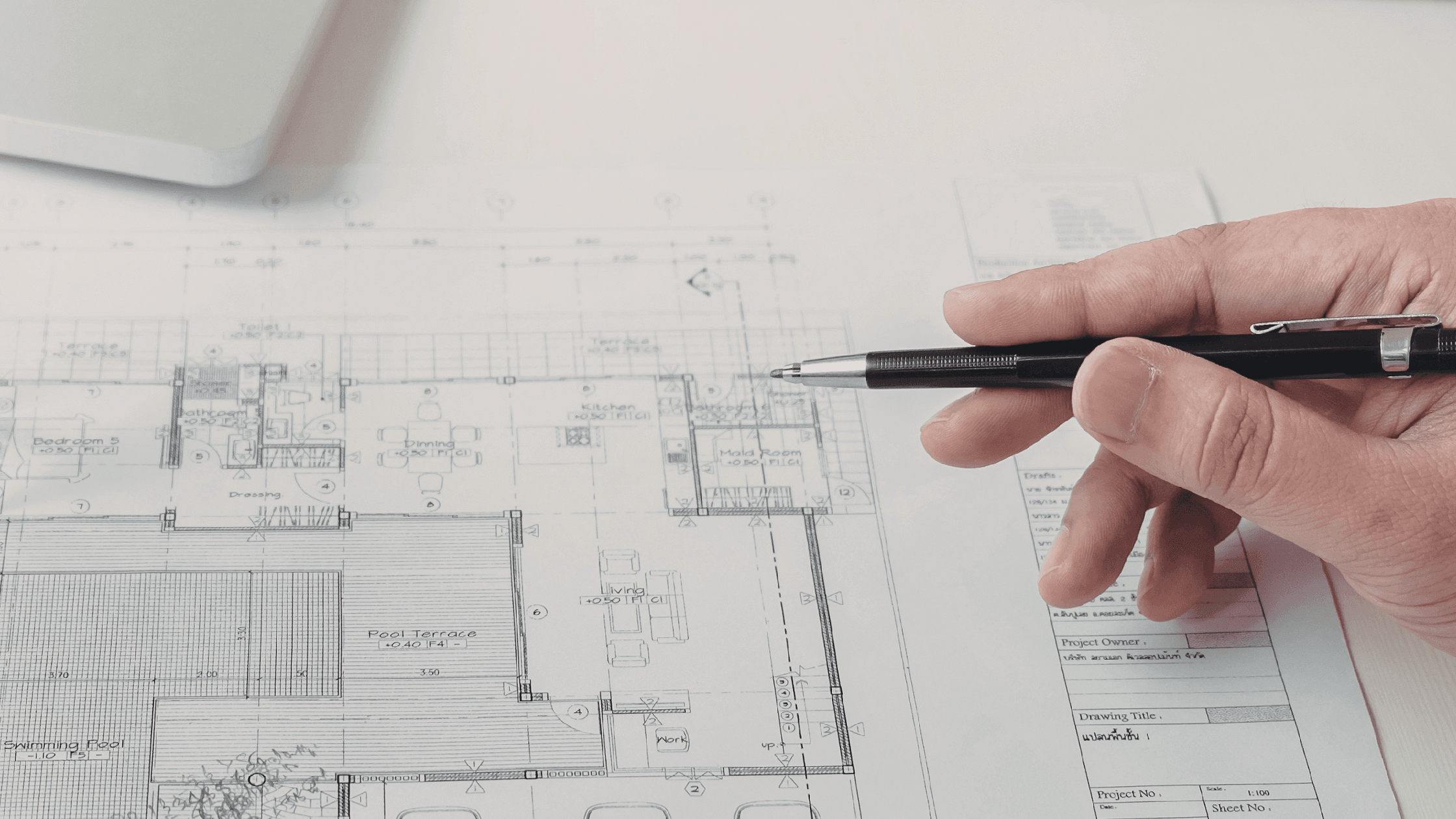
Designing a home extension is about more than just adding extra space. The goal is to create a seamless transition between old and new, so the extension feels like a natural part of the home rather than an obvious add-on.
At Binai Construction, we specialise in home extensions across Sydney’s Upper North Shore, helping homeowners achieve layouts that enhance both functionality and visual appeal. Here’s how to design an extension that truly flows with your existing home.
1. Start with the Existing Floor Plan
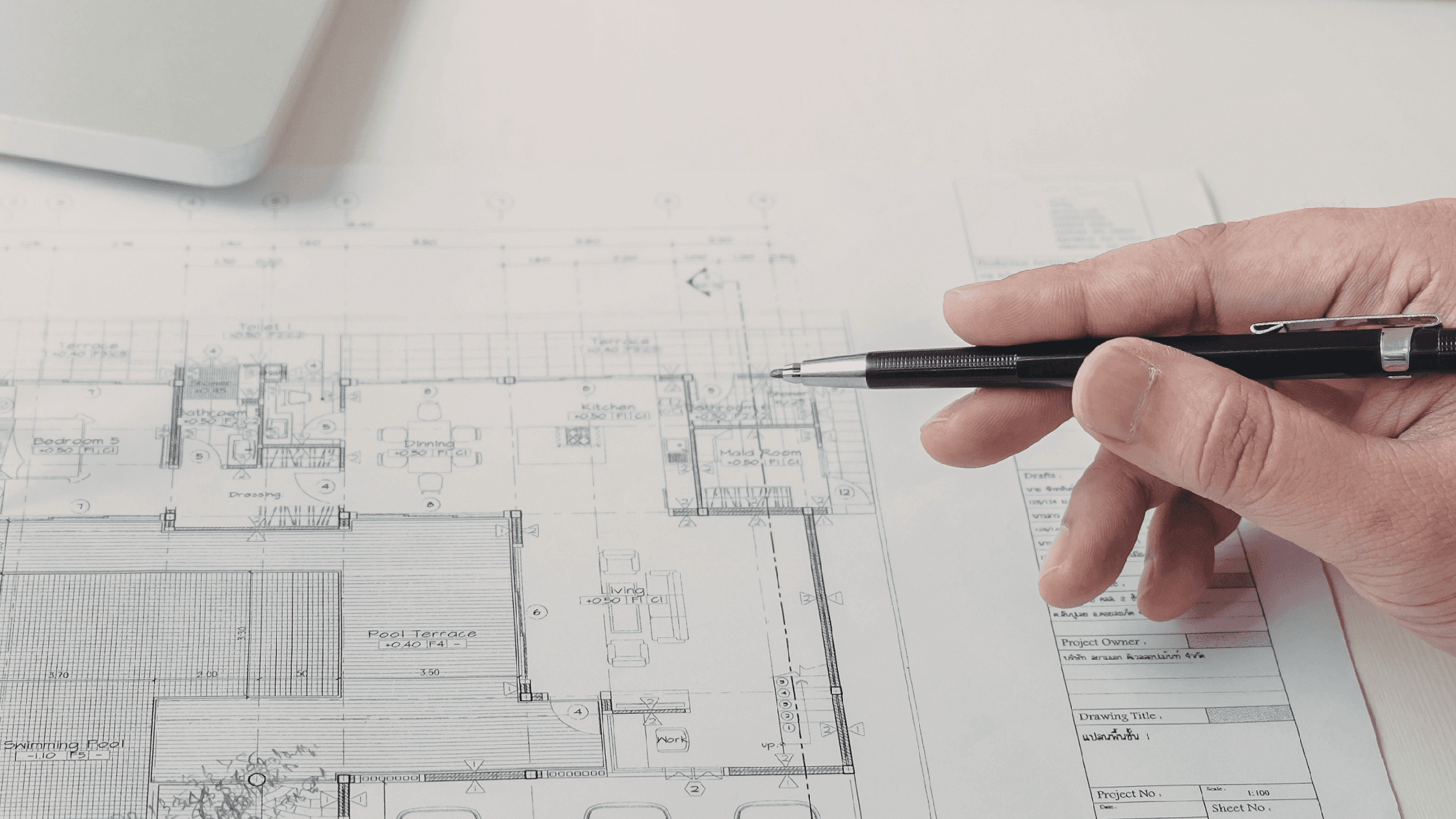
Before designing any extension, it’s essential to understand how your current home works.
Ask yourself:
Where are the main living areas?
How do people move through the space?
What areas feel disconnected or underutilised?
A well-designed extension should improve the flow and functionality of the home, not complicate it. Often, this means reconfiguring parts of the existing layout, not just adding new rooms.
2. Prioritise Open Plan Living
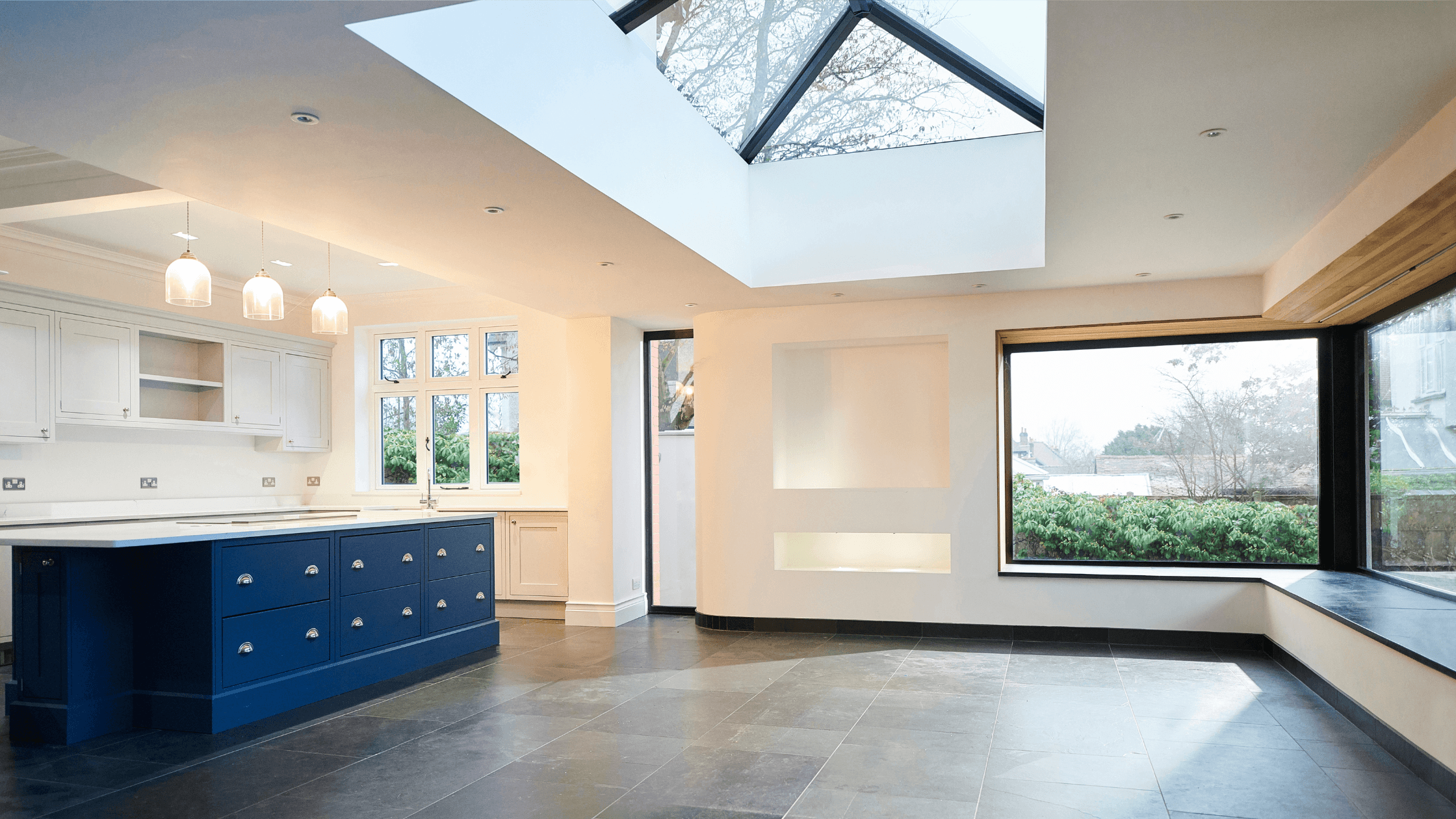
One of the most effective ways to create flow is through open plan kitchen, living and dining areas.
By removing walls and integrating spaces, you can:
Improve natural light
Create a better connection between rooms
Enhance everyday living and entertaining
Many of our projects involve structural changes, such as installing steel beams, to open up the rear of the home and connect it to outdoor areas.
3. Match Materials and Finishes
To achieve visual continuity, your extension should reflect the materials and finishes of the existing home.
This includes:
Flooring types and levels
Ceiling heights and profiles
Window styles and proportions
External brickwork or cladding
Where possible, sourcing matching or complementary materials helps avoid the obvious contrast between old and new.
4. Align Rooflines and External Design
From the street, your extension should feel cohesive with the original home.
Careful attention should be given to:
Roof pitch and form
Fascia, gutter and eaves details
External colours and textures
This is especially important in areas like Hornsby and Ku-ring-gai, where streetscapes and character are often protected by local planning controls.
5. Maximise Indoor-Outdoor Connection
A well-designed extension should improve the relationship between indoor and outdoor spaces.
Features like:
Large stacker or sliding doors
Level transitions to decks or patios
Covered outdoor entertaining areas
Create a seamless flow that expands your living space and enhances your lifestyle.
6. Consider Natural Light and Ceiling Design
Light plays a major role in how a space feels.
Incorporating elements such as:
Skylights
Raked or higher ceilings
Larger windows
Transform an extension into a bright, open and inviting area that feels connected to the rest of the home.
7. Work with Experienced Builders
Designing an extension that flows requires more than good ideas. It requires technical expertise, planning knowledge, and construction experience.
At Binai Construction, we manage the entire process, from design and approvals through to construction. Our experience with alterations and additions, sloping blocks, and complex projects ensures your extension is both functional and built to the highest standard.
Final Thoughts
A successful home extension should feel effortless. When designed correctly, it enhances the way you live, improves the value of your property, and creates a home that feels cohesive throughout.
If you’re planning an extension and want to ensure it integrates seamlessly with your existing home, working with the right team makes all the difference.
| Tags:RenovationsAdditionsKnowdown & RebuildCustom HomesProperty DevelopmentDuplex |
)
)
)