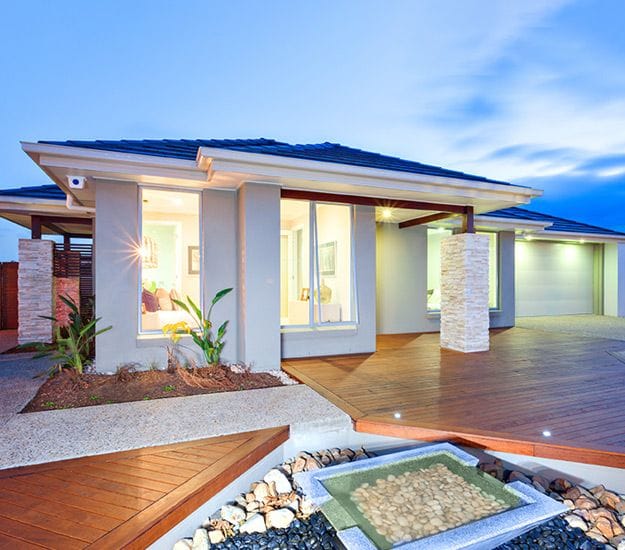
Knockdown Rebuild vs Renovation: Which Makes More Sense on Sydney’s Upper North Shore?
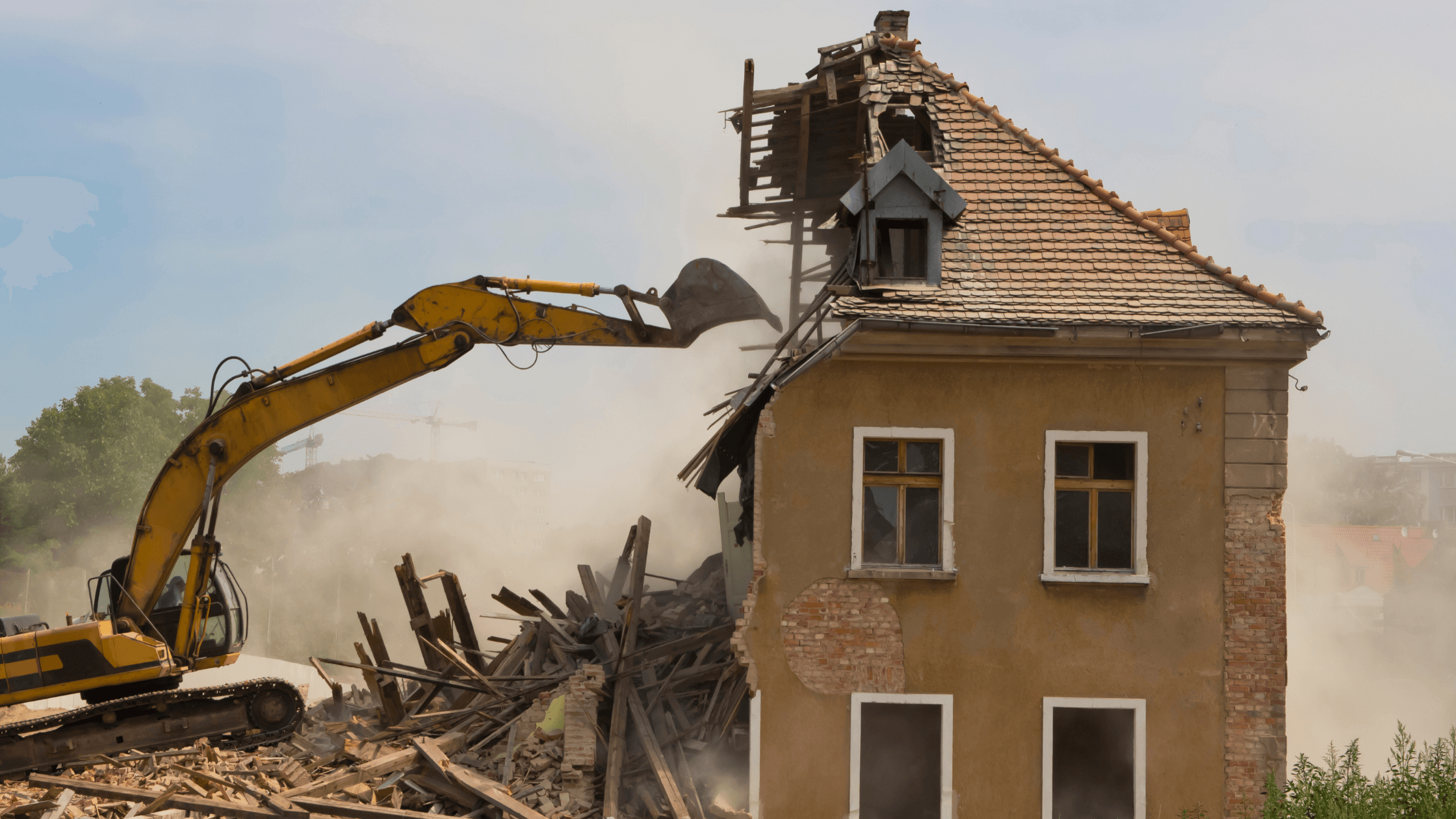 "Knockdown Rebuild vs Renovation: Which Makes More Sense on Sydney’s Upper North Shore?")
You love your street, the children are settled at school, and your favourite local café is just around the corner. But your home is starting to feel too small, outdated or difficult to live in.
Should you renovate what you have, or knock it down and start again?
For homeowners comparing knockdown rebuild vs renovation in Sydney, the answer depends on the condition of the existing house, the changes you need, your total budget and what can be approved on your block.
On the Upper North Shore, there are additional considerations. Heritage character, established trees, sloping land and bushland settings can all influence which option makes more sense.
Renovating often suits a home with a sound structure and a layout that can be adapted. Rebuilding deserves consideration when major changes are needed throughout the property and retaining the existing building offers limited benefit.
Here is how to assess both options before committing.
Knockdown rebuild vs renovation: a quick comparison
| Consideration | Renovation or extension | Knockdown rebuild |
| Existing structure | Retains and adapts parts of the home | Replaces the existing dwelling |
| Design flexibility | Works around retained walls, levels and structure | Offers greater flexibility within site and planning constraints |
| Budget | Can be more economical for targeted improvements | Worth assessing alongside extensive whole-home renovations |
| Character | Preserves valued original features | Creates a new home with a different architectural approach |
| Unexpected work | Hidden conditions may emerge during construction | Ground conditions and site works can still create uncertainty |
| Living arrangements | Staying home may be possible for some projects | Requires alternative accommodation |
| Energy performance | Improvements depend on the scope and retained building | Allows a coordinated approach to orientation, insulation and glazing |
| Approvals | Depend on the proposed changes and property constraints | Depend on demolition permissibility and the proposed new dwelling |
Neither approach is automatically cheaper or better. The comparison needs to reflect the finished home you want and the complete cost of getting there.
When does renovating make more sense?
Your home has a structure worth retaining
An older home does not necessarily need to be replaced.
If the foundations, framing and other major elements are in suitable condition, retaining them may provide a practical starting point. A building assessment, with engineering advice where needed, can help establish what is worth keeping.
Renovation becomes particularly attractive when much of the house already works well and the main problems are confined to specific areas.
You need targeted improvements
Perhaps you need another bedroom, a larger kitchen or better access to the backyard. These goals may be achievable through internal alterations, an extension or a combination of both.
For example, a home in Normanhurst with comfortable bedrooms but a cramped rear living area might benefit from a carefully designed extension without replacing the entire dwelling.
The key question is whether the proposed work solves your needs for the years ahead.
You value the home’s character
Original brickwork, timber floors, decorative ceilings and established gardens can be important reasons to stay.
A considered renovation can retain these features while improving natural light, storage and everyday functionality. The design needs to address how the original and new areas connect, including floor levels, circulation, rooflines and materials.
You want to stage the work
Some renovations can be completed in stages, allowing expenditure to be spread over time.
However, staging needs a coordinated plan. Repeated site establishment, temporary works and revisiting completed areas can increase the overall cost. It is worth assessing the entire intended renovation before starting the first stage.
When does a knockdown rebuild make more sense?
The existing layout needs fundamental change
If your wish list requires moving most rooms, replacing the roof, changing floor levels and extensively altering the structure, it is worth comparing a rebuild.
A renovation may be technically achievable while still leaving significant compromises. Starting again can provide greater freedom to organise bedrooms, living spaces, storage and outdoor connections around your family’s needs.
That freedom remains subject to the block and applicable planning requirements.
Extensive repairs are needed alongside improvements
When substantial repair work is required before the desired improvements can begin, the value of retaining the building needs careful assessment.
Consider the combined cost of repairs, structural alterations, service upgrades and new finishes. Compare that with a complete rebuild scope, including demolition and site works.
A house being old is not, on its own, a reason to demolish it. The decision should be based on its assessed condition and the outcome each option can deliver.
You want a home designed for long-term needs
A rebuild provides an opportunity to consider the whole home together.
That might include a ground-floor bedroom, fewer internal level changes, flexible living spaces or room for a growing family. It can also allow windows, shading and room orientation to be planned as part of one design.
These benefits can justify investigating a rebuild when you intend to stay for many years.
What makes the Upper North Shore different?
Heritage status can shape the decision
Before investing in a knockdown rebuild design, check whether demolition is a realistic option.
A property may be individually heritage listed or sit within a heritage conservation area. Ku-ring-gai Council’s heritage controls address demolition, alterations, additions and new buildings, and complying development is restricted for heritage properties and conservation areas.
A heritage designation does not automatically prevent improvements. It means the proposal needs to respond to the property’s significance and follow the appropriate assessment process.
For homeowners in suburbs such as Wahroonga, Turramurra, Pymble and Killara, this check should happen early.
Trees can influence the building footprint
Established trees contribute to the Upper North Shore’s appeal, but they can also affect where and how work is carried out.
Do not assume a tree can be removed to accommodate a preferred design. Hornsby Shire has tree protection and approval requirements, so relevant trees should be assessed before the building footprint is finalised.
Retaining trees may influence excavation, foundations, access and the position of an extension or new home.
Sloping blocks affect both options
Demolishing a house does not remove the challenges of its site.
Sloping land, difficult access, rock excavation and retaining requirements can affect both renovation and rebuilding. A standard home design or advertised base price may not account for these conditions.
Early surveying and appropriate site investigations help identify the implications before the design progresses too far.
Bushfire constraints need early assessment
For properties near bushland, confirm whether the land is bushfire prone and what assessment is required.
Hornsby Council identifies a Bushfire Attack Level certificate among the documentation required for complying development where a property is bushfire prone. Establishing the relevant requirements early helps inform design and pricing.
Which costs less: renovating or rebuilding in Sydney?
A focused renovation will often cost less overall than replacing an entire house because substantially less work is involved. The comparison becomes more complex when the renovation affects most of the property.
There is no reliable percentage rule that says a home should be demolished once renovation costs reach a particular share of rebuild costs.
Instead, compare two clearly defined options that meet a similar brief.
| Budget item | Renovation or extension | Knockdown rebuild |
Design, consultants and approvals | Allow for the proposed alterations and investigations | Allow for demolition and new-home requirements |
| Removal work | Partial demolition and disposal | Full demolition and disposal |
| Construction | Repairs, retained-building alterations and new work | Complete new dwelling and site works |
| Services | Assess existing capacity and required upgrades | Assess disconnections, reconnections and new services |
| External works | Include areas disturbed by construction | Include landscaping, driveway, fencing and other finishing work |
| Accommodation | Depends on whether safe occupation is practical | Allow for relocation throughout the relevant project period |
| Contingency | Reflect uncertainty in the existing building and site | Reflect uncertainty in site conditions and the documented scope |
Compare the total amount needed to move into the finished home, rather than a renovation quote against a new-home base price.
Check GST, exclusions, allowances and the level of finishes in both options. A cheaper proposal may simply include less.
Which option is quicker and less disruptive?
A limited renovation can be quicker than a complete rebuild. An extensive renovation with major structural changes may not be.
Assess the full programme, including investigations, design, approvals, procurement and construction.
Living at home during renovation may be possible when work can be safely separated and essential facilities remain available. However, major kitchen, bathroom or roof works can make temporary relocation more practical.
Ask your builder to explain the proposed construction sequence before assuming you can stay throughout the project.
What about energy efficiency and sustainability?
Rebuilding creates an opportunity to coordinate insulation, glazing, shading, ventilation and orientation across the whole home.
Renovating can also improve comfort and energy performance while retaining useful building materials. The best approach depends on what can reasonably be upgraded and how much of the existing building is retained.
In NSW, new homes generally require BASIX assessment, and BASIX also applies to residential alterations and additions valued at $50,000 or more. The assessment pathways differ, so the relevant requirements should be addressed during design.
A larger new home is not automatically the more sustainable choice. Consider the materials, floor area and ongoing energy needs of each proposal.
Will renovating or rebuilding add more value?
Neither option guarantees a particular financial return.
The result depends on the quality of the design, location, buyer expectations and the total amount invested. A well-resolved renovation may be more appealing than a larger home with a poor layout.
If resale is a priority, seek local market advice before finalising the scope. If you intend to stay long term, also consider the everyday value of a home that suits your family.
How to decide whether to renovate or rebuild on the North Shore
Before choosing a direction:
Define your needs. List what must change and what already works.
Assess the existing home. Establish its condition and the implications of retaining it.
Check property constraints. Confirm heritage, trees, bushfire considerations and applicable planning controls.
Develop comparable concepts. Assess a renovation and a rebuild against the same essential requirements.
Compare complete budgets. Include fees, external works, accommodation and contingency.
Review the finished outcome. Consider compromises, ongoing maintenance and how long you plan to stay.
This process gives you a stronger basis for deciding than comparing generic square-metre rates.
Discuss your Upper North Shore project with Binai Construction
Choosing between a renovation and a knockdown rebuild starts with understanding your home, your block and what you want to achieve.
Binai Construction is a family-owned construction company with more than 40 years of industry experience, delivering residential alterations, additions and new homes.
Whether you are considering improvements to an existing property or exploring a fresh start, we can discuss your project and help identify the next steps towards a practical building plan.
Call Binai Construction on 0404 919 191 or visit www.binai.com.au to discuss your renovation or knockdown rebuild on Sydney’s Upper North Shore.
| Tags:RenovationsAdditionsKnowdown & RebuildCustom HomesProperty DevelopmentDuplex |
)
)
)