A Landowner’s Guide to Multi-Dwelling Houses
 "A Landowner’s Guide to Multi-Dwelling Houses")
What They Are, Where They Work and When They Make Sense
With land values continuing to rise across Sydney’s Upper North Shore, many property owners are asking the same question: how can I make better use of my land without overdeveloping it?
This is where multi-dwelling housing comes into play.
Multi-dwelling developments offer a middle ground between duplexes and apartment buildings. When designed and approved correctly, they can unlock strong financial returns while still respecting the low-rise, leafy character of suburbs like Hornsby and Ku-ring-gai.
This guide explains what multi-dwelling housing is, how it differs from other development types, and what landowners should consider before moving forward.
What Is a Multi-Dwelling House?
A multi-dwelling house refers to a residential development that contains three or more dwellings on a single lot, but is not classified as a residential flat building (apartment block).
Common examples include:
Triplex developments
Townhouse developments
Small clusters of attached or semi-attached dwellings
Developments with shared driveways or common accessways
These dwellings may be:
Torrens titled (individual lots)
Strata titled (shared ownership of common areas)
The exact classification depends on zoning, council definitions and how the dwellings are arranged on the site.
How Multi-Dwelling Housing Differs from Duplexes and Apartments
Understanding the distinction is important, as approval pathways and controls differ.
Compared to duplexes:
Higher potential yield (more dwellings)
More complex design and approval process
Greater construction and infrastructure considerations
Potentially stronger overall return if the site allows
Compared to apartments:
Lower building height and scale
More “house-like” feel
Typically no lifts or basement car parks
Often more acceptable in established residential areas
For many Upper North Shore sites, multi-dwelling housing strikes the right balance between density and neighbourhood character.
Where Are Multi-Dwelling Developments Typically Permitted?
Multi-dwelling housing is most commonly permitted in:
R3 Medium Density Residential zones
R4 High Density Residential zones
In some cases, specific sites within R2 Low Density Residential zones may allow limited forms of multi-dwelling development, subject to council controls and planning pathways.
Each council applies its own Development Control Plan (DCP), which sets requirements for:
Minimum lot size and width
Maximum building height
Floor space ratio (FSR)
Landscaped area
Parking and access
Setbacks and building separation
This means two seemingly similar blocks can have very different development outcomes.
Who Are Multi-Dwelling Developments Best Suited For?
Multi-dwelling housing is particularly attractive for:
Large Lot Owners
Owners of wide or deep blocks who want to maximise development potential beyond a duplex.
Investors and Developers
Those seeking multiple dwellings to sell or hold, while avoiding the complexity of apartment construction.
Families with Long-Term Plans
Some landowners choose to:
Live in one dwelling
Sell one or two
Retain others for rental income or future family use
Key Design Considerations on the Upper North Shore
Multi-dwelling developments in this region must be carefully designed to gain approval and market appeal.
Respecting Neighbourhood Character
Councils closely assess:
Building bulk and scale
Roof forms and articulation
Material selection
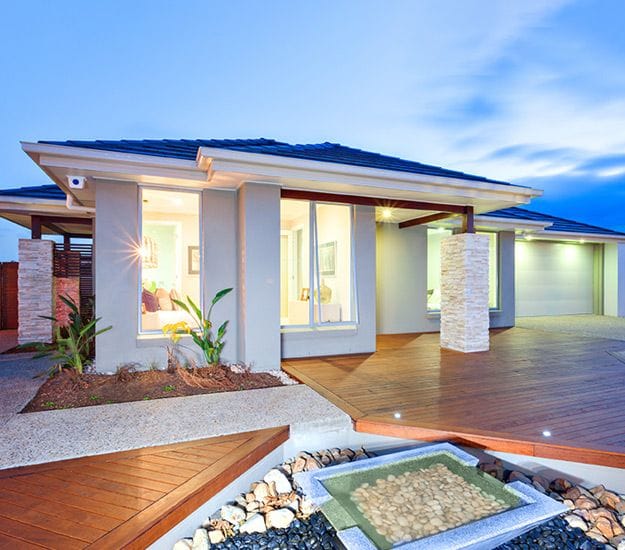
Streetscape presentation
Subtle, well-considered designs generally perform far better than developments that try to maximise yield at the expense of character.
Site Constraints
Slope, drainage, existing trees and access points all play a major role in determining feasibility and cost.
Liveability
Successful developments prioritise:
Natural light and ventilation
Private open space for each dwelling
Functional layouts and storage
Clear separation between dwellings for privacy
Approval Pathways and Timeframes
Multi-dwelling developments typically require a Development Application (DA) rather than a Complying Development Certificate (CDC).
This means:
Longer approval timeframes
More detailed consultant reports
Greater council scrutiny
However, a well-prepared application with strong planning justification can significantly reduce delays and redesign costs.
Is a Multi-Dwelling Development Worth It?
Whether a multi-dwelling project stacks up depends on:
Zoning and planning controls
Site conditions
Construction costs
Market demand and end values
Holding costs and timeframes
In some cases, a duplex may offer a simpler, lower-risk option. In others, the uplift from additional dwellings can outweigh the added complexity.
This is why a proper feasibility study is essential before committing to a design or purchase decision.
Whether a multi-dwelling project stacks up depends on:
Zoning and planning controls
Site conditions
Construction costs
Market demand and end values
Holding costs and timeframes
In some cases, a duplex may offer a simpler, lower-risk option. In others, the uplift from additional dwellings can outweigh the added complexity.
This is why a proper feasibility study is essential before committing to a design or purchase decision.
Final Thoughts
Multi-dwelling housing is becoming an increasingly important part of the Upper North Shore’s residential landscape. For the right site, it can deliver excellent outcomes for landowners, buyers and the broader community.
The key is understanding what’s possible on your land and approaching the project with realistic expectations, sound planning advice and an experienced construction team.
If you’re considering a multi-dwelling development, early expert guidance can make the difference between a smooth, successful project and a costly misstep.
Speak With an Experienced Builder Before You Commit
If you’re exploring a multi-dwelling development on the Upper North Shore, an early conversation can save time, cost and uncertainty. Binai Construction has extensive experience delivering complex residential builds and working alongside planners and designers to assess feasibility from day one. To discuss your site and understand what’s achievable, call Binai directly on 0404 919191 for expert, obligation-free advice.
| Tags:New BuildKnowdown & RebuildCustom HomesProperty DevelopmentDuplex |
)
)
)